
Running one large show is a logistics exercise. Running two at once, in parallel, with a single accountable team, is a different problem entirely. For Gulfood 2026 we were asked to staff and coordinate front-of-house and registration across two venues simultaneously, and to make it feel, to every attendee, like one seamless event.
This is a short account of how that operation was put together: how the team was briefed, how registration ran without bottlenecks, and the small decisions that kept 250,000+ people moving.
It starts days before the doors open
Most of the problems an event will face are solved on paper, well before anyone arrives on site. The week before the show, our coordinators embedded with the organiser's team to build a single run-of-show that both venues could work from, so a decision made in one hall was never a surprise in the other.
- A shared timeline both venues worked from, down to fifteen-minute increments.
- Clear ownership: every desk, entrance and zone had a named lead.
- A briefing pack so 300 people arrived already knowing the brand, the layout and the plan.
The teams that look effortless on the day are the ones that over-prepared the week before.
Registration is where events succeed or stall
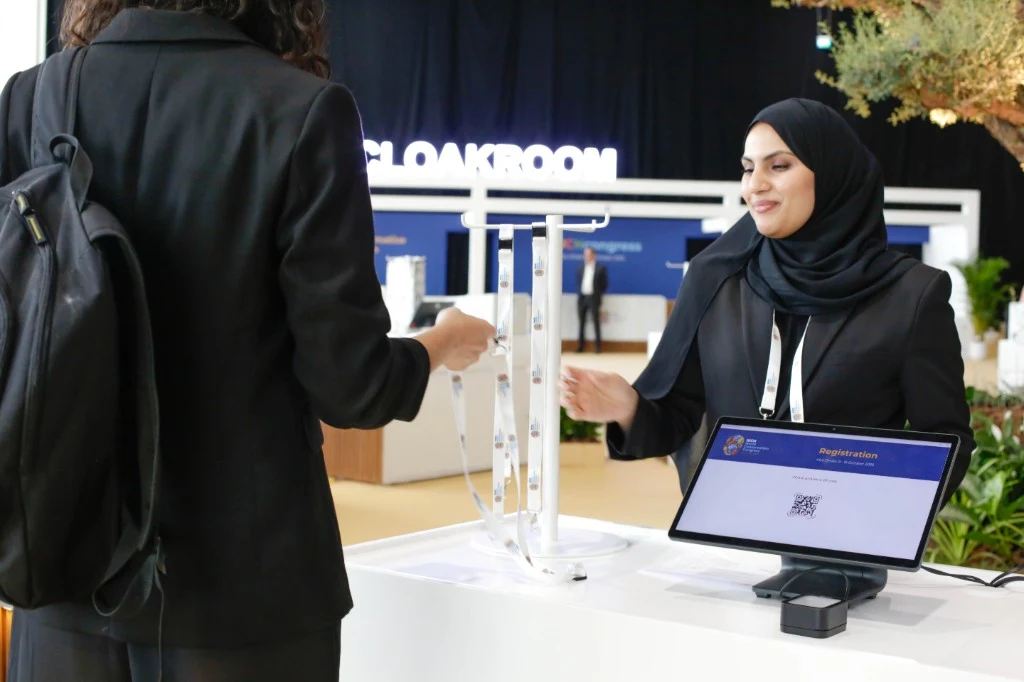
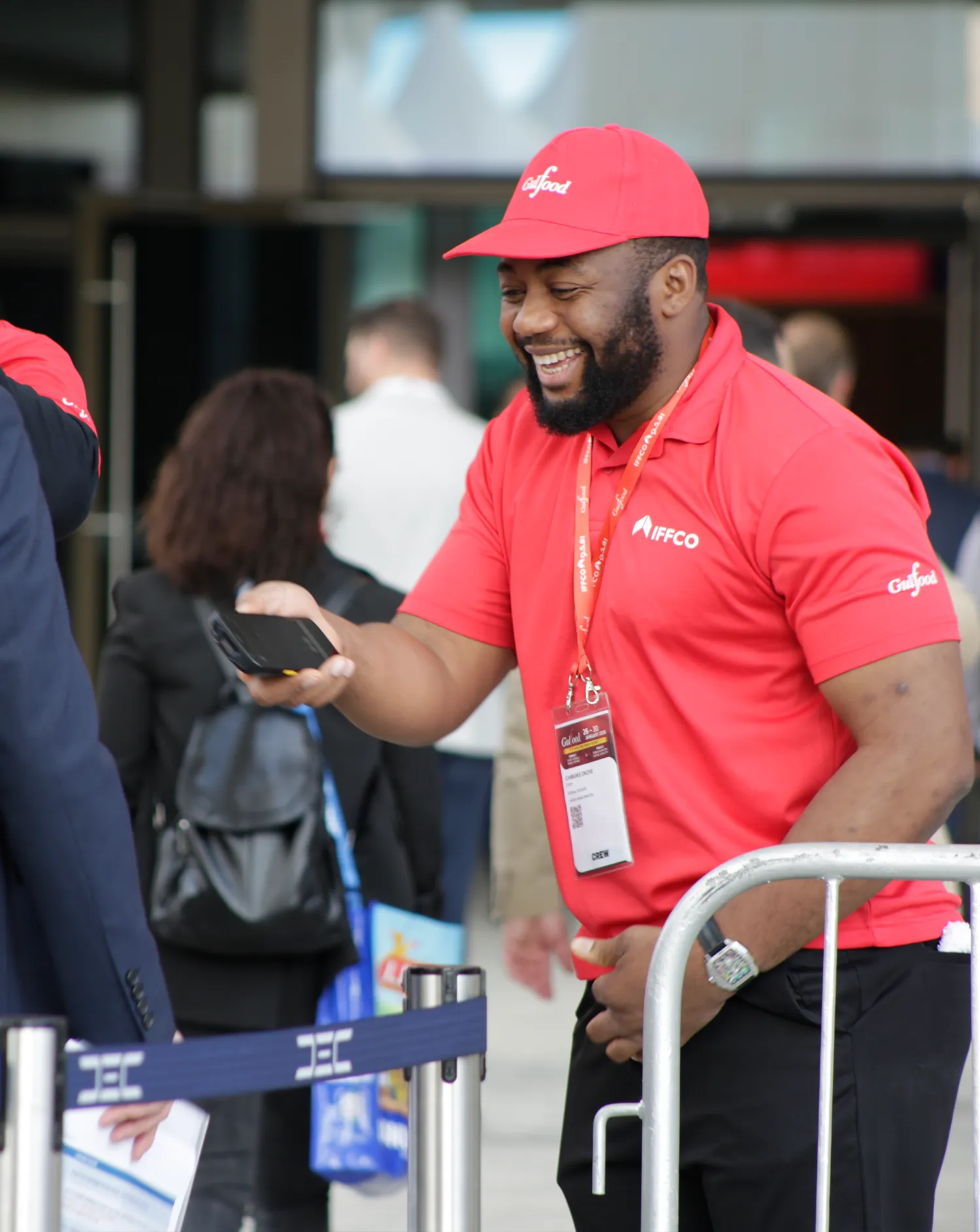
Nothing shapes a first impression like the queue at the door. We ran registration as its own sub-operation: enough trained crew to absorb the morning rush, a layout that kept lines moving, and supervisors watching flow in real time so we could open or close desks before a bottleneck formed rather than after.
Keeping two venues in sync
The hardest part of a multi-venue show is consistency. A guest should not be able to tell which hall they walked into. We solved that with a shared communications channel, identical briefing standards across both sites, and a single point of contact who could see both operations at once and rebalance crew between them as the day shifted.
If you are planning something that needs this kind of operational oversight, our event coordination team can support you from planning through to live execution, and our staffing team can mobilise the crew to match.
What we'd tell any organiser
Scale is not the enemy. Surprises are. Brief early, give every zone an owner, watch your flow in real time, and keep one team accountable for the whole picture. Do that, and two venues feel like one.
Planning an event like this?
Tell us the dates, venues and roles. We'll staff it, coordinate it and keep one team accountable from planning to live delivery.